
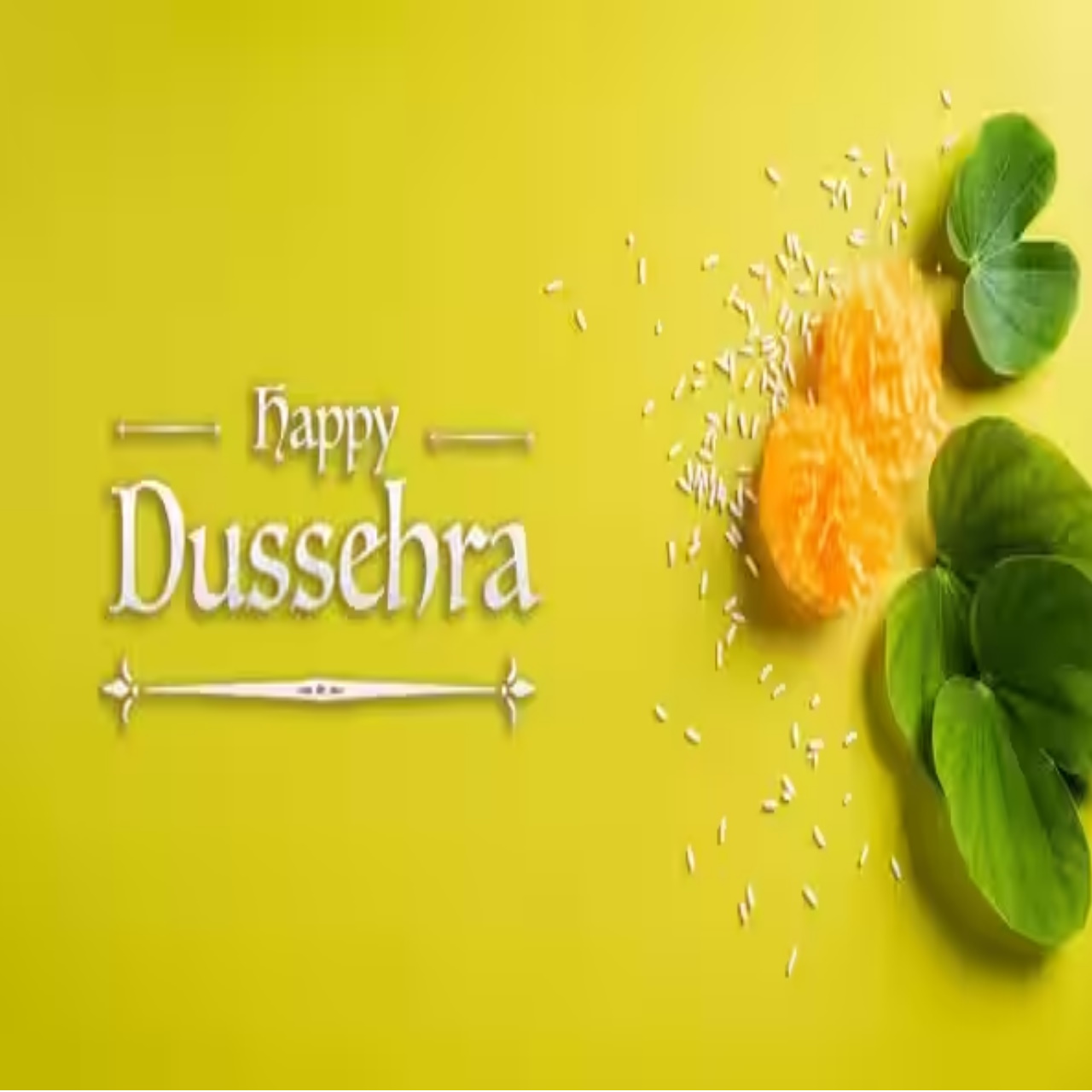
Dussehra 2026: Date, Significance, History, Traditions and Celebrations
Dussehra, also known as Dasara or Vijayadashami, is one of the major Hindu festivals celebrated across India. It symbolizes the victory of good over evil, truth over falsehood, and righteousness over injustice. The festival is associated with Lord Rama’s victory over Ravana and Goddess Durga’s victory over the demon Mahishasura.
Dussehra marks the conclusion of Sharad Navaratri and is celebrated through religious ceremonies, cultural programs, Ramlila performances, and the traditional burning of Ravana effigies in many parts of India.
Dussehra 2026 Date
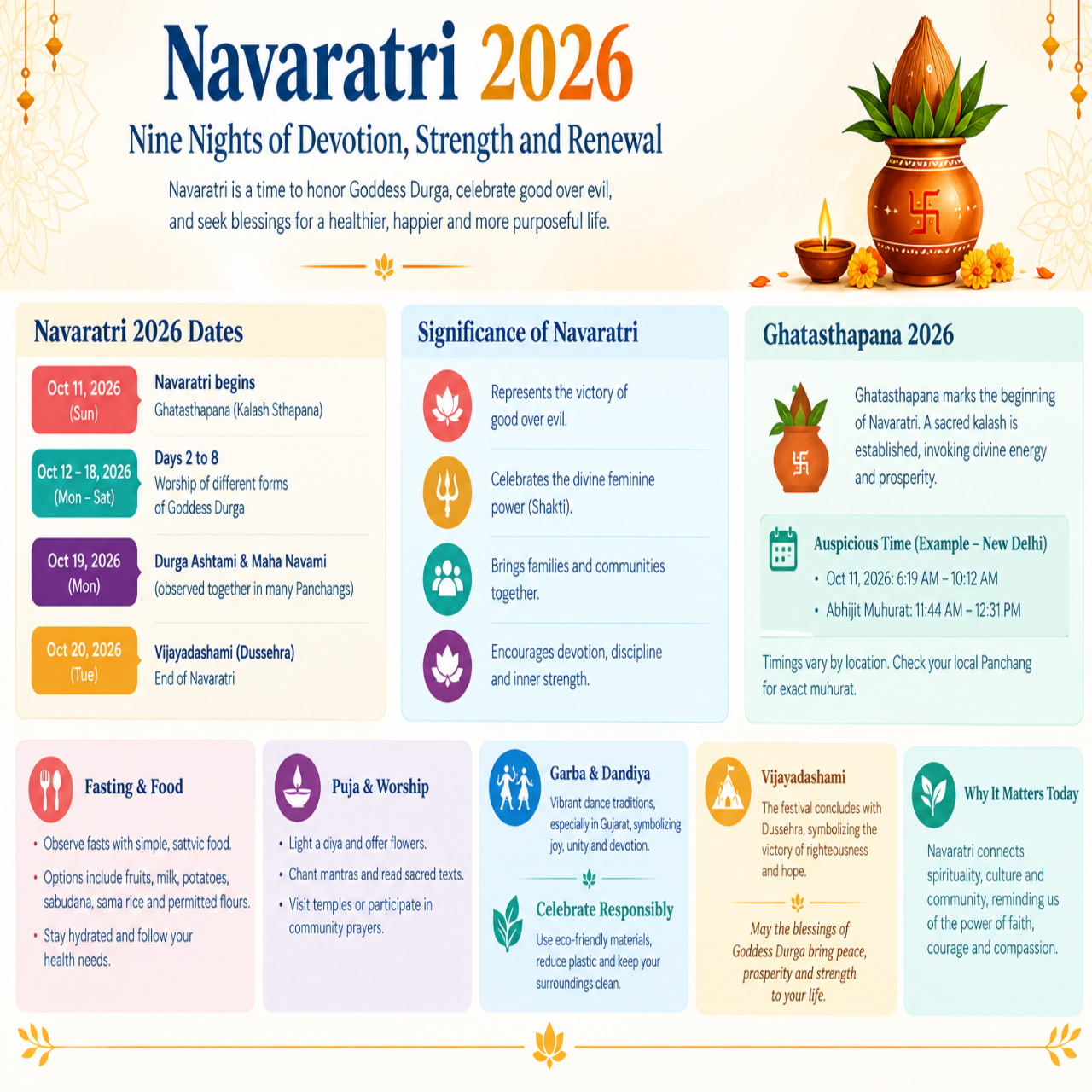
Dussehra will be celebrated on Tuesday, October 20, 2026, across most parts of India. In West Bengal and some communities following regional Durga Puja traditions, Vijayadashami is observed on October 21. The difference comes from regional customs and the interpretation of the lunar calendar.
The festival falls on the tenth day of the bright lunar fortnight in the Hindu month of Ashwin. It follows the nine-day Navaratri festival, during which devotees worship different forms of Goddess Durga.
What Is the Meaning of Dussehra?
The name Dussehra is commonly associated with the destruction of Ravana and the triumph of righteousness. Vijayadashami combines the ideas of victory and the tenth lunar day.
The festival carries a message that negative qualities such as arrogance, greed, dishonesty, and cruelty can be overcome through courage, wisdom, discipline, and ethical action.
For many people, Dussehra is also a time to begin new activities, strengthen family relationships, and reflect on personal goals.
The History and Legends of Dussehra
Lord Rama’s Victory Over Ravana
According to the Ramayana, Ravana, the king of Lanka, abducted Sita, the wife of Lord Rama. Rama, with the help of Lakshmana, Hanuman, and his allies, fought Ravana to rescue Sita.
After a great battle, Lord Rama defeated Ravana. This victory is remembered on Dussehra through Ramlila performances and the burning of effigies representing Ravana, often accompanied by those of Meghnath and Kumbhakarna.
The story highlights the importance of courage, loyalty, responsibility, and the protection of righteousness. It also reminds people that knowledge and power lose their value when they are used without humility or moral judgment.
Goddess Durga’s Victory Over Mahishasura
Another important tradition connects Vijayadashami with Goddess Durga’s victory over Mahishasura, a powerful demon who threatened the divine order.
According to Hindu tradition, the Goddess fought Mahishasura and ultimately defeated him. Her victory represents the strength of divine feminine power and the triumph of justice over destructive forces.
This story is especially important during Durga Puja celebrations in eastern India, where Vijayadashami marks the conclusion of the festival and the farewell to Goddess Durga.
Why Is Dussehra Celebrated?
Dussehra is celebrated to remember the victories of Lord Rama and Goddess Durga and to reaffirm the importance of good conduct.
The festival encourages people to:
- Choose honesty over dishonesty.
- Practice humility instead of arrogance.
- Face challenges with courage and patience.
- Use knowledge and power responsibly.
- Treat others with fairness and respect.
- Work toward positive change in personal and community life.
These values help explain why Dussehra continues to hold cultural and spiritual significance across generations.
How Dussehra Is Celebrated Across India
Dussehra celebrations vary by region, with each community maintaining its own customs and cultural traditions.
North India: Ramlila and Ravana Dahan
In many northern Indian cities and towns, the days before Dussehra feature Ramlila performances depicting important events from the Ramayana.
On Dussehra, large effigies of Ravana, Meghnath, and Kumbhakarna are burned at public gatherings. Families attend fairs, watch performances, and participate in community celebrations.
The event symbolizes the defeat of evil and the restoration of righteousness.
West Bengal: Vijayadashami and Durga Puja
In West Bengal, Vijayadashami concludes the grand Durga Puja celebrations. Devotees offer prayers, participate in farewell rituals, and bid goodbye to Goddess Durga before the immersion of her idol.
The day carries themes of devotion, family reunion, and the hope that the Goddess will return with her blessings.
Maharashtra: Shami Puja and Apta Leaves
In Maharashtra, Dussehra is associated with Shami Puja and the exchange of Apta leaves, which are traditionally regarded as symbolic gold.
Families and friends exchange these leaves while wishing each other prosperity and success. Many people also consider Vijayadashami an auspicious occasion to begin new work, studies, or business activities.
Karnataka: Mysuru Dasara
Mysuru Dasara is one of India's well-known Dussehra celebrations. The festival is associated with the worship of Goddess Chamundeshwari, cultural programs, decorated processions, and the heritage of the Mysuru royal family.
The celebrations attract visitors interested in Karnataka’s history, art, music, and traditions.
Himachal Pradesh: Kullu Dussehra
Kullu Dussehra is distinctive because its main celebrations begin on Vijayadashami and continue for several days.
The festival brings together local deities, traditional processions, music, and community gatherings. It reflects the region’s rich religious and cultural heritage.
These regional differences demonstrate how a shared festival can express many forms of local identity while retaining its central message of victory and renewal.
Important Dussehra Traditions
Ravana Dahan
Ravana Dahan is one of the best-known Dussehra traditions. Effigies are burned to symbolize the destruction of evil and the victory of Lord Rama.
The tradition also encourages reflection on the harmful effects of arrogance, anger, and misuse of power.
Ramlila Performances
Ramlila is a dramatic presentation of stories from the Ramayana. Performances may take place in community grounds, temples, or specially arranged stages.
They help preserve traditional storytelling and introduce younger generations to Indian epics and cultural values.
Shami Puja
In several parts of India, devotees worship the Shami tree on Dussehra. The tradition is associated with prosperity, victory, and auspicious beginnings.
Practices vary by region and family tradition.
Starting New Work
Many people regard Vijayadashami as a favorable day to begin education, purchase tools, start a business, or take up a new project.
Some families perform prayers before books, instruments, vehicles, or work equipment as a way of expressing gratitude and seeking blessings.
Dussehra and the Message of Personal Growth
The symbolism of Dussehra can be applied to everyday life. The defeat of Ravana is often interpreted as a reminder to examine personal habits and attitudes that prevent progress.
People may use the occasion to work on impatience, dishonesty, excessive pride, resentment, or unhelpful routines.
The festival can also encourage people to make practical commitments, such as improving their health habits, learning a new skill, resolving misunderstandings, or contributing to their communities.
The meaning of the celebration becomes more lasting when its values are reflected in daily decisions.
How to Celebrate Dussehra Responsibly
Dussehra celebrations can be joyful while remaining considerate of the environment and community.
Choose responsible celebrations by following a few simple practices:
- Attend organized public events and follow local safety guidance.
- Avoid burning household waste or hazardous materials.
- Support environmentally responsible decorations and community activities.
- Dispose of festival waste properly.
- Be considerate of children, older adults, animals, and people sensitive to loud sounds.
- Share food, help people in need, or participate in community service.
Where effigy burning takes place, organizers can consider cleaner materials and appropriate pollution-control measures. Fireworks and fires should be handled only in accordance with local rules and safety precautions.
Dussehra 2026: A Festival of Hope and New Beginnings
Dussehra 2026 will be celebrated on October 20 across most parts of India, with some regional Vijayadashami observances taking place on October 21. From Ravana Dahan and Ramlila to Durga Puja, Shami Puja, and regional processions, the festival brings together faith, culture, and community.
Beyond its rituals, Dussehra offers a timeless message: good character, courage, humility, and responsible action matter more than power or pride.
As families and communities celebrate Dussehra, the festival provides an opportunity to appreciate cultural traditions, strengthen relationships, and begin new efforts with determination and optimism.
May Dussehra 2026 bring happiness, peace, prosperity, and success to everyone.

0 comments
Be the first to add a thoughtful comment.
Leave a comment
Your email will not be published. Comments are moderated.